Choosing between Gorgias and Supportbench depends on your business needs. Gorgias is built for eCommerce, handling high volumes of quick, transactional inquiries with speed and automation. It integrates seamlessly with platforms like Shopify, enabling agents to manage orders, refunds, and shipping updates from one interface. Supportbench, on the other hand, is designed for B2B SaaS companies, focusing on managing complex, long-term customer relationships. It offers tools like dynamic SLAs, multi-level escalations, and a detailed "Customer 360" view for managing contracts, product usage, and account health.
Key Takeaways:
- Gorgias: Ideal for eCommerce brands managing high ticket volumes and prioritizing quick resolutions.
- Supportbench: Suited for B2B SaaS teams handling fewer, more detailed cases with multi-stakeholder collaboration.
Quick Comparison:
| Feature | Gorgias (eCommerce) | Supportbench (B2B SaaS) |
|---|---|---|
| Primary Use Case | High-volume, transactional support | Long-term, detailed account management |
| Core Integrations | Shopify, BigCommerce, Magento | CRM, contracts, product usage data |
| AI Features | Automates refunds, order edits | Summarizes cases, tracks sentiment |
| SLA Management | Basic response tracking | Dynamic SLAs for critical accounts |
| Pricing | Starts at $10/month, ticket-based | $32/agent/month, all features included |
For eCommerce, Gorgias excels at efficiency and automation. For B2B SaaS, Supportbench provides the depth needed for managing complex accounts. Choose based on your operational priorities and customer requirements.
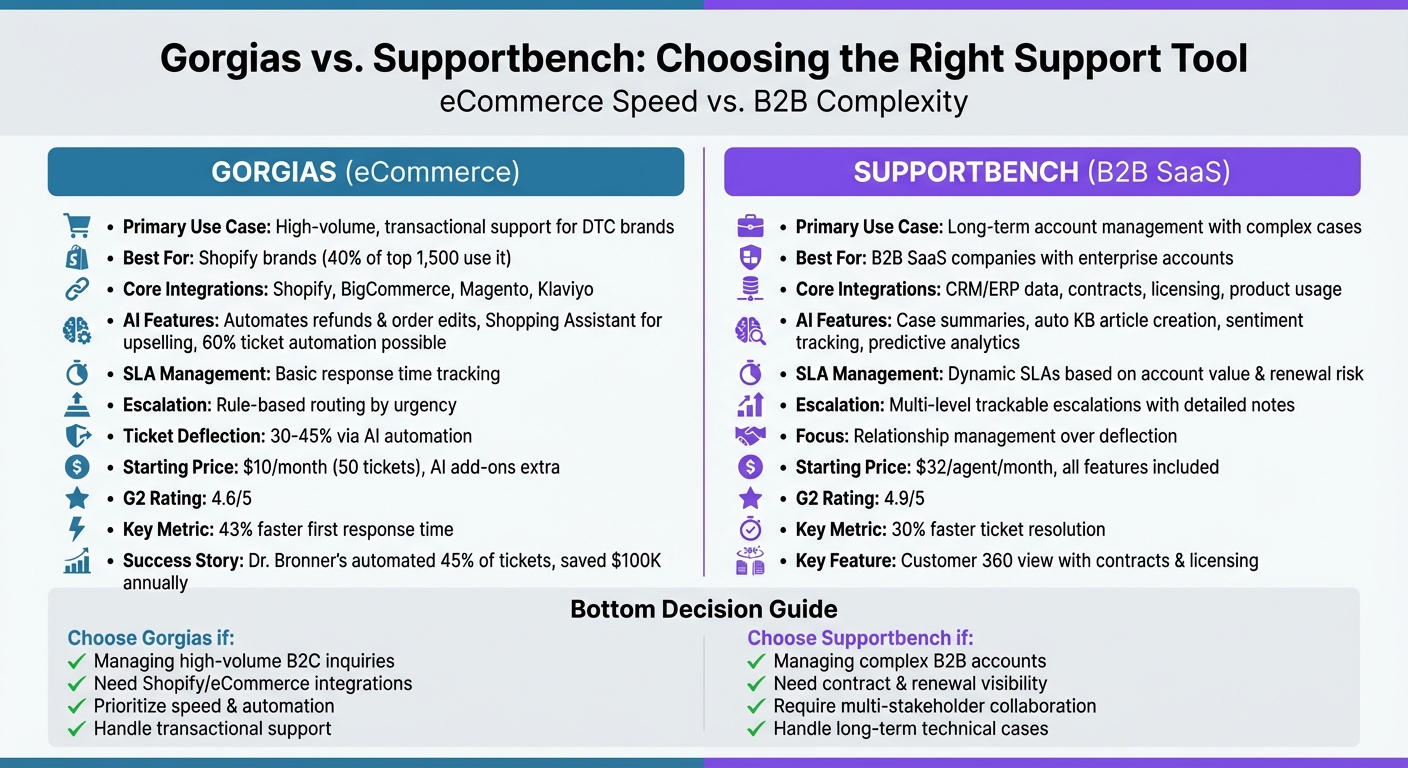
Gorgias vs Supportbench Feature Comparison for eCommerce and B2B SaaS
Gorgias: Built for eCommerce Support
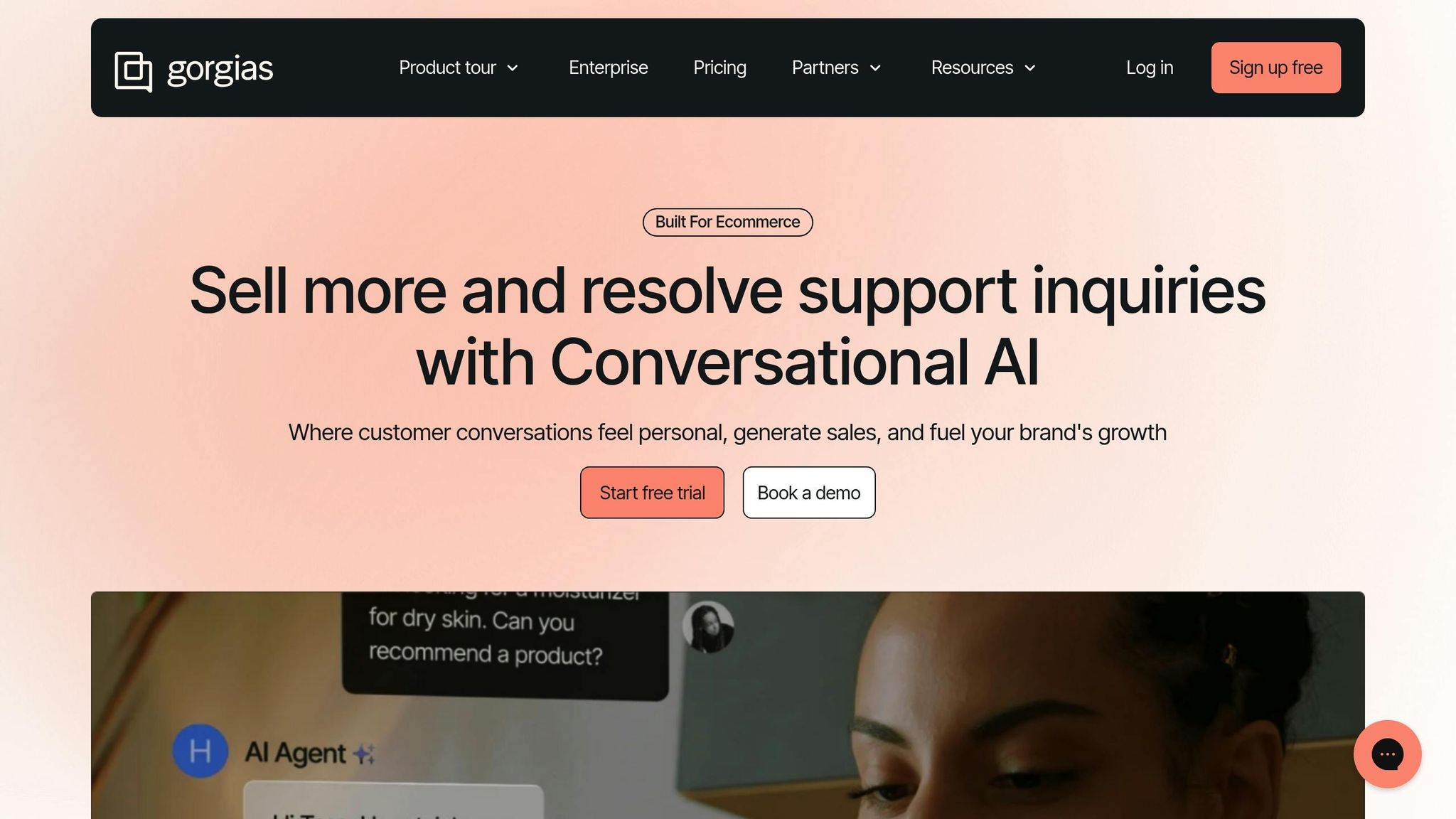
Gorgias is tailored to meet the fast-paced demands of eCommerce, where quick resolutions and high ticket volumes are the norm. Its design focuses on simplifying communication by consolidating multiple channels – email, live chat, Facebook, Instagram, TikTok, WhatsApp, SMS, and voice – into a single, organized inbox. Alongside this, it provides essential customer data, such as lifetime value, order history, shipping updates, and subscription details, right next to each ticket. Let’s dive into its features for order automation, platform integrations, and why it may not be ideal for B2B SaaS support.
Order Management and Automation Features
Gorgias streamlines ticket resolution by allowing agents to handle tasks like refunds, order cancellations, shipping updates, and discounts – all without leaving the platform.
Its automation tools tackle repetitive inquiries with pre-configured responses that use dynamic variables like tracking numbers or order details. Rules-based automation can tag, assign, or reply to tickets automatically. The AI Agent takes this further by handling common questions like "Where’s my order?" using real-time Shopify data and help center resources. This level of automation has enabled brands to automate as much as 60% of their support tickets [6] [9], with advanced AI setups resolving 20–40% of tickets without human intervention [10].
Take Dr. Bronner’s, for example: in just two months during late 2025, the company automated 45% of its support tickets, saving $100,000 annually while boosting its customer satisfaction score by 11% [6]. Similarly, Psycho Bunny used Gorgias to achieve a 1-minute first response time for emails and cut operational costs by 10% year-over-year by automating 25–30% of repetitive email and chat tickets [6] [7].
eCommerce Platform Integrations
Gorgias’s native integrations with Shopify, BigCommerce, and Magento allow support teams to access customer profiles and perform key actions directly within the platform. Impressively, about 40% of the top 1,500 Shopify brands rely on Gorgias [9], cementing its reputation in eCommerce.
"The Gorgias-Facebook-Shopify integration is amazing. We’ve stopped hunting and matching Facebook users to customer accounts on Shopify. The information we need is surfaced so we can respond better and faster."
- Guita Gopalan, Chief Revenue Officer, Ellana [11]
It also integrates with tools like Klaviyo, Recharge, Yotpo, and Smile.io to display details such as subscription statuses or loyalty points alongside tickets. For instance, the Klaviyo integration can automatically exclude customers with open support tickets from promotional email campaigns, reducing the risk of aggravating already frustrated customers [11].
While these integrations enhance eCommerce workflows, they also reveal the platform’s limitations when it comes to more complex B2B needs.
Gaps in B2B SaaS Support Capabilities
Gorgias is firmly rooted in eCommerce, which means it struggles to meet the demands of B2B SaaS companies [4]. It doesn’t provide a robust "Customer 360" view – a key feature for managing contracts, licenses, and multi-stakeholder relationships. Additionally, it restricts accounts to four custom ticket fields, which lack conditional logic, making it unsuitable for handling intricate technical account management [13].
Its SLA management is basic, with no support for dynamic SLAs that adapt based on factors like renewal timelines or account risk. It also lacks the multi-level escalation tracking that is often critical for resolving complex technical issues. With around 100 integrations [13], Gorgias doesn’t connect to the extensive toolsets that many B2B SaaS companies depend on.
"Gorgias is serviceable for e-commerce use cases, but this narrow view can hinder a business’s growth."
Finally, its ticket-based pricing model can become costly for B2B businesses as they scale. Longer, more complex cases often involve multiple tickets, which can drive up costs significantly. For companies managing detailed, long-term cases where maintaining comprehensive context is critical, Gorgias’s focus on fast, transactional resolutions may not align with their needs.
sbb-itb-e60d259
Supportbench: Built for B2B SaaS Support
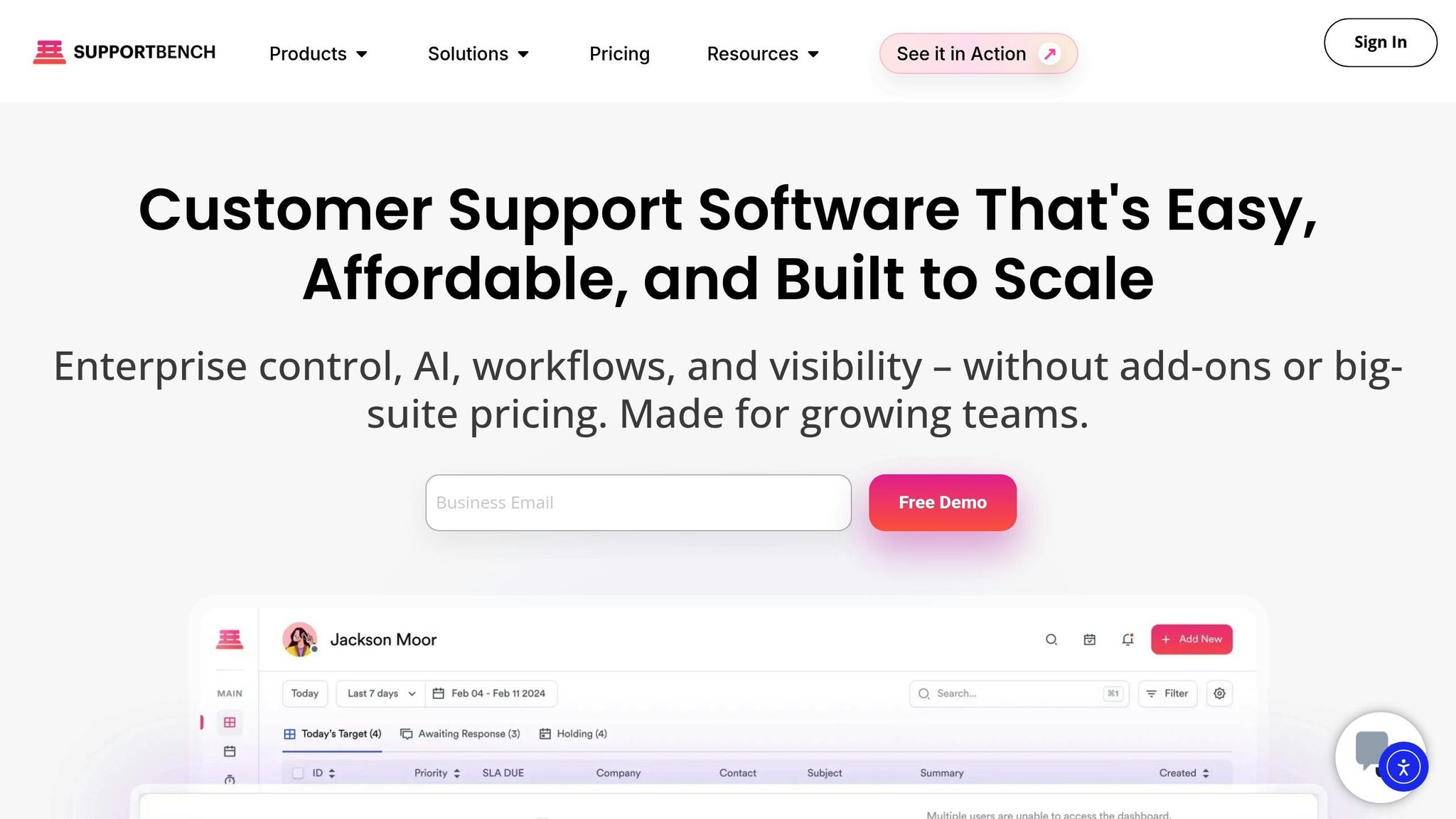
Supportbench is purpose-built for B2B SaaS companies that manage complex customer accounts, juggle multiple stakeholders, and handle lengthy technical cases. Unlike tools designed for eCommerce, which prioritize speed and volume, Supportbench focuses on depth, context, and relationship management – key elements for navigating intricate support scenarios that often require weeks or months of communication.
This platform brings together everything B2B support teams need in one place: ticketing, CRM data, knowledge base, workflows, escalations, and AI-driven insights. With a stellar 4.9/5 rating on both G2 and Capterra [1], Supportbench has gained a reputation for tackling the operational hurdles that traditional helpdesk systems often cannot address.
"Supportbench is incredible at getting things done compared to other success and case management solutions I’ve used. In my opinion, it is incomparably superior when it comes to resolving end-user issues."
- Caitlyn Langston, Chief Technology Officer [14]
Next, let’s dive into how Supportbench’s AI-native architecture transforms efficiency, dynamic SLAs, and customer insights for B2B support.
AI-Powered Case Management and Workflows
Supportbench uses AI to simplify the complexities of managing B2B accounts. When a new case comes in, AI generates concise summaries of past interactions, giving agents a clear understanding of the context without having to comb through endless email threads.
The platform also takes knowledge management to the next level. Resolved tickets can be instantly converted into knowledge base articles, preserving critical technical know-how with just one click. AI further streamlines operations with automated categorization, tagging cases, assigning issue types, and tracking sentiment to catch potential problems before they escalate.
With predictive analytics, Supportbench anticipates customer needs by analyzing case histories, product usage, and interaction trends. It can track metrics like first contact resolution, forecast customer satisfaction, and gauge customer effort – all without requiring manual input. These AI-driven features have helped users resolve tickets 30% faster [14], while still maintaining the thoroughness that B2B relationships demand.
This level of efficiency has earned praise from industry professionals.
"Using Supportbench has provided our department with a complete client management system. Since everything is one platform, we have a clear overview of all client and team interaction."
- Jonathan Pasquel, Personnel Manager [14]
These AI capabilities pave the way for smarter dynamic SLAs and escalation workflows.
Dynamic SLAs and Multi-Level Escalations
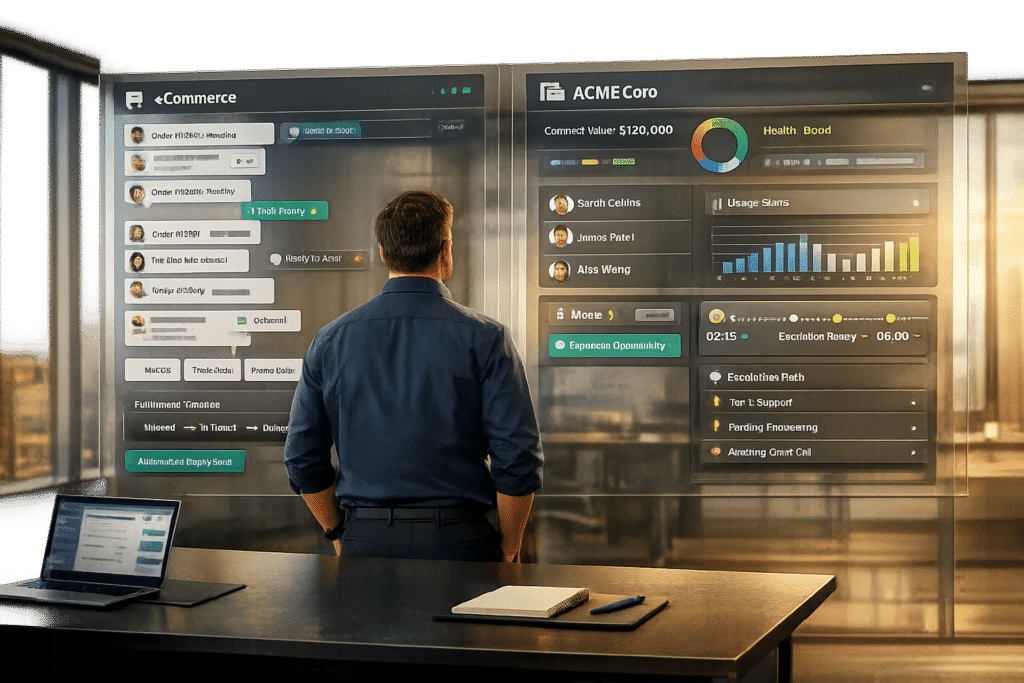
Static SLA rules don’t cut it in B2B support, where every ticket carries unique weight. Supportbench’s dynamic SLAs adapt based on triggers like account value, renewal timelines, or signs of customer dissatisfaction [1]. This ensures that critical cases get the attention they deserve, right when it matters most.
The platform also supports multi-level escalation workflows tailored for technical products and multi-stakeholder environments [1]. Unlike basic routing systems, Supportbench allows teams to define detailed escalation paths, add contextual notes at each stage, track escalation histories, and even de-escalate cases when needed. This transparency ensures everyone knows exactly where each issue stands at all times.
Customer Health Scoring and Renewal Management
Supportbench provides a comprehensive "Customer 360" view, consolidating contracts, licensing, product usage, and interaction history in one place [1]. This eliminates the need for agents to switch between tools, giving them everything they need to manage accounts within a single platform.
The system’s renewal-sensitive workflows prioritize accounts with upcoming renewals or those showing signs of risk [1]. Combined with sentiment tracking and predictive analytics, this allows teams to proactively address potential churn before it becomes a problem.
"Since everything is centralized on a single platform, we can control all conversations in one place and have full oversight into each client and group."
- Hugh Dauterman, Data Operations Director [14]
Additionally, role-based portal access ensures that customers with multiple departments or stakeholders only see the data and tickets relevant to them [1]. This level of governance, which often requires costly customization in other platforms, is seamlessly built into Supportbench.
All of this comes with an "Everything Included" pricing model [1][14]. Supportbench offers free migration and onboarding services, with implementations typically completed in weeks rather than months [1] – a stark contrast to the drawn-out deployments common with traditional enterprise helpdesks.
Gorgias vs. Supportbench: Feature Comparison
Looking at the features side-by-side, it’s clear that Gorgias and Supportbench cater to distinct needs in customer support. Gorgias leans into speed and efficiency for transactional support, while Supportbench focuses on deeper, relationship-driven account management.
Gorgias shines in eCommerce with integrations like Shopify, Klaviyo, and Loop Returns, allowing agents to handle orders directly within the helpdesk. This setup is ideal for managing high-ticket volumes efficiently [7][9]. On the other hand, Supportbench provides a unified view that combines CRM data, contracts, and real-time product usage. This setup enables proactive support without the hassle of switching between tools [1].
When it comes to AI, the platforms take different approaches. Gorgias uses AI to power its Shopping Assistant, which helps recommend products and automate order actions, cutting down on agent workload by up to 60% [6]. Supportbench, however, uses AI for tasks like summarizing cases, creating knowledge base articles from resolved tickets, and tracking sentiment to identify accounts that might need extra attention [1].
Pricing is another area where the two diverge. Gorgias offers a tiered system starting at $10/month for 50 tickets, with higher plans going up to $900/month. AI features are available as optional add-ons [6][12]. Supportbench, by contrast, has a flat-rate model at $32 per agent/month, with all features included – no extra charges for governance, SLAs, or escalations [1].
Here’s a quick breakdown of their key differences:
Feature Comparison Table: Gorgias vs. Supportbench
| Feature | Gorgias (eCommerce) | Supportbench (B2B SaaS) |
|---|---|---|
| Primary Use Case | High-volume, transactional support for DTC brands [2] | Managing long-term accounts with renewals and complex cases [1] |
| Core Integrations | Shopify, BigCommerce, Magento, Klaviyo, Attentive [7][9] | CRM/ERP data, contracts, licensing, product usage [1] |
| AI Functionality | Shopping Assistant for upselling; automated refunds and order edits [4][12] | Case summaries; auto KB article creation; sentiment tracking [1] |
| SLA Management | Tracks standard response times [2] | Dynamic SLAs based on account value or renewal risk [1] |
| Escalation Workflows | Routes tickets by urgency and intent [2] | Multi-level escalations with detailed notes [1] |
| Revenue Focus | Measures revenue from support interactions [2][9] | Prioritizes retention, account health, and renewals [1] |
| Ticket Deflection | 30–45% deflection via AI automation [12] | Emphasizes relationship management over deflection [1] |
| Customer Portal | Self-service Help Center with AI search [12] | Role-based portal with visibility for multiple stakeholders [1] |
| Starting Price | $10/month (50 tickets); AI add-ons extra [6][12] | $32/agent/month; all features included [1] |
| G2 Rating | 4.6/5 [7] | 4.9/5 [1] |
This side-by-side comparison highlights why Gorgias is the go-to for 40% of Shopify brands seeking fast, automated support, while Supportbench appeals to B2B SaaS companies needing robust account management tools and renewal workflows [9][1].
eCommerce Speed vs. B2B Complexity: Different Operational Priorities
When you compare operational priorities, the contrast between eCommerce and B2B SaaS support becomes clear. eCommerce tools focus on speed and efficiency, while B2B SaaS tools emphasize depth and tailored governance. Gorgias, for instance, is all about achieving "inbox zero" and turning support interactions into revenue opportunities. It brings together email, chat, social, SMS, and voice into one centralized inbox, allowing agents to handle high volumes seamlessly without juggling multiple tools [15]. On the other hand, Supportbench prioritizes a comprehensive Customer 360 view. This approach integrates contracts, licensing, and product usage data, equipping agents with the full context necessary for managing complex B2B accounts [1].
Ticket Resolution and Escalation Workflows
Gorgias takes a streamlined approach by embedding essential Shopify functions directly into its ticket view. This integration lets agents handle tasks like order changes, refunds, and discounts without ever leaving the helpdesk interface [7]. It’s designed for speed, helping brands achieve a 43% faster first response time [5]. Tickets are routed through rule-based queues and flagged with urgent tags to address eCommerce-specific needs, such as processing order changes before shipping deadlines.
Supportbench, however, is built for more intricate workflows. It features multi-level, trackable escalation management tailored for governance and cross-department collaboration. Its dynamic SLAs adapt automatically based on critical business signals, like upcoming contract renewals or risk indicators. This ensures that high-value accounts are prioritized appropriately [1]. These contrasting workflows highlight how each platform aligns its design with the unique demands of its target audience.
AI Tools for Communication and Customer Insights
When it comes to AI, the difference is all about focus. Gorgias uses AI to streamline communication and handle quick resolutions, while Supportbench leans on AI to provide deep, contextual insights for complex B2B needs.
Gorgias employs AI to categorize tickets automatically and perform real-time sentiment analysis, flagging frustrated customers during fast-paced interactions [16][17]. Its Shopping Assistant even recommends products, turning support conversations into sales opportunities. Gabrielle McWhirter, CX Operations Lead at Pepper, shared:
"Gorgias Shopping Assistant has become a natural extension of the customer journey. It’s helped us turn everyday conversations into sales opportunities" [16].
Supportbench, on the other hand, uses AI to summarize lengthy email threads, giving new team members instant context. It also detects risk signals, triggering dynamic SLAs for high-value accounts showing signs of churn. Additionally, it converts complex resolved cases into knowledge base articles with just one click, preserving critical insights for technical B2B products [1].
These AI-driven features underscore how each platform tailors its tools to meet the distinct challenges of eCommerce and B2B SaaS support.
How to Choose Between Gorgias and Supportbench
Deciding between Gorgias and Supportbench comes down to whether your business thrives on high-speed transactional support or requires tools for managing complex, long-term customer relationships. Gorgias is laser-focused on eCommerce, particularly Shopify, and is geared toward boosting revenue through streamlined support workflows [18]. On the other hand, Supportbench caters to B2B businesses that need to handle intricate cases and manage multi-stakeholder support [1]. The right platform depends on your business model and priorities.
Evaluation Criteria: Scalability, AI Features, and Cost
When evaluating these tools, focus on three key areas: scalability, AI capabilities, and overall cost.
Scalability
For eCommerce teams, scalability often means handling seasonal surges – like Black Friday spikes – and automating repetitive tasks such as order tracking or refunds [6]. In contrast, B2B SaaS teams need robust governance, visibility across departments, and adaptable SLAs that account for factors like renewal risks or account value [1]. Your growth plans will help determine which scaling approach aligns with your needs.
AI Features
The AI functionality in these platforms serves different goals. Gorgias employs AI to improve self-service options and suggest sales opportunities, resolving up to 60% of inquiries [6][8]. Supportbench focuses on operational efficiency, with features like automated case summaries, intelligent tagging, and converting resolved tickets into knowledge base articles [1]. Your choice depends on whether you need to reduce high-volume inquiries or manage intricate technical cases with rich context.
Cost
Look beyond monthly fees and consider the total cost of ownership. Gorgias operates on a ticket-based pricing model, starting at $60 per month for 300 tickets, with additional charges of $25 per 100 tickets during peak periods [3]. This can lead to higher costs during busy seasons. Supportbench, however, offers an all-inclusive model starting at $32 per agent per month [1]. Features like dynamic SLAs and multi-level escalations are included without extra charges, making it a more predictable investment.
By weighing these factors, you can align your choice with the specific demands of your industry and business goals.
Industry-Specific Recommendations
Your industry’s unique challenges will ultimately guide your decision.
Choose Gorgias if your business is a Shopify-based brand focused on driving revenue and managing high volumes of B2C inquiries. Gorgias excels at automating tasks like refunds and order updates [18][2]. Brands using Gorgias have reported automating 45% of tickets, saving $100,000 annually, and improving customer satisfaction scores by 11% [6].
Choose Supportbench if you handle complex B2B accounts with long-term technical cases. It’s ideal for businesses needing detailed contract and licensing visibility, along with SLAs that adjust based on renewal risks [1]. Supportbench’s Customer 360 feature integrates contracts, licensing, and product usage data, giving agents the insights they need to manage intricate relationships. With a 4.9/5 rating on G2 and Capterra [1], it’s a strong choice for organizations that have outgrown eCommerce-focused tools and require enterprise-level functionality without the hefty price tag.
Conclusion: Matching Your Support Tool to Your Business Model
Selecting the right support platform means finding one that aligns with how your business operates. For example, Gorgias caters specifically to high-volume eCommerce brands, helping them handle transactional inquiries efficiently and automate repetitive tasks like refunds or order updates [7][2]. On the other hand, Supportbench is tailored for B2B SaaS companies that deal with complex, long-term technical cases. It supports multi-stakeholder collaboration, dynamic SLAs tied to renewal risks, and detailed account management [1].
Your workflow needs stem directly from your business model. If your team is overwhelmed by thousands of "Where is my order?" tickets during peak sales, Gorgias can deliver fast, automated solutions through its AI-powered tools. Conversely, if you’re managing enterprise accounts that require insights across departments, Supportbench provides the governance and Customer 360 features necessary to handle intricate account data effectively [1].
Using a tool that doesn’t fit your needs can waste resources and frustrate customers. For instance, eCommerce teams relying on generic helpdesks may lose time on manual order lookups and miss out on upselling opportunities due to the lack of store integrations [7]. Similarly, B2B teams using transactional tools often face hidden fees for add-ons and struggle with limited visibility into account health, leading to reactive rather than proactive support [1].
FAQs
How do I know if my team needs dynamic SLAs?
If your support operations deal with intricate, high-pressure cases where urgency and impact can change rapidly, your team might benefit from dynamic SLAs. These AI-driven SLAs use real-time data – like customer sentiment and case details – to prioritize tickets, ensuring that critical issues get resolved as quickly as possible. While static SLAs can work for simple, predictable cases, dynamic SLAs shine when it comes to managing fluctuating priorities, cutting down on manual work, and streamlining workflows for more complex and evolving support scenarios.
What data should be in a true Customer 360 view?
A Customer 360 view brings together a comprehensive profile that spans the past, present, and future. This means looking at historical interactions and transactions, staying updated with real-time data on current issues or feedback, and using predictive insights to anticipate future needs or potential risks. When these pieces come together, businesses can provide tailored, proactive support and make smarter, data-driven decisions.
Which pricing model is cheaper as we scale?
Gorgias offers a pricing model that’s built around ticket volume, which often proves to be a more budget-friendly option as your business expands. Starting at just $10 per month for 50 tickets, additional tickets are billed at $0.40 each. This approach contrasts with platforms like Supportbench, which typically charge fees based on the number of agents. As your team grows, per-agent pricing can quickly add up. Gorgias’s structure, however, aligns costs with your actual support activity rather than the size of your team, making it a flexible option for businesses on a growth trajectory.
Related Blog Posts
- Zendesk vs Freshdesk vs Supportbench: Which Support Platform is Better and for who in 2026?
- JSM alternatives for customer-facing B2B support: what to use instead
- Freshdesk vs. Supportbench: Why B2B Teams Outgrow Freshdesk’s Ticket Model
- Help Scout vs. Supportbench: The Gap Between Shared Inboxes and Enterprise Helpdesks